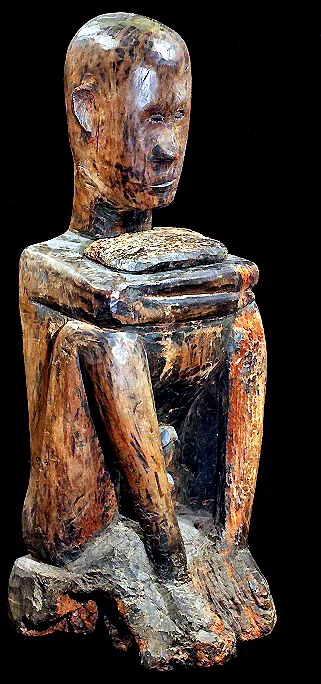
In this article, it shows that technology is a great way for history and museums to be accessible to everyone. Technology helps provide different learning styles, multiple languages, and appeal to a more diverse audience. It also allows innovative ways for museums to tell their stories. Museums have started to use augmented reality (AR), virtual reality (VR), and extended reality (XR) to give a more personable and hands-on experience. The use of technology is used in many ways across museums across the world. For example, high resolution 3D scans of fossils are used to provide access either online or in the museum to show the artifacts shapes, colors, and details. With the 3D model being online it allows people who don’t have access to a museum because of distance or disability to look at these exhibits and artifacts just like it’s the real thing. All these tools are significant to the world of history because they allow all of history to be accessible to everyone. With this, people can learn from anywhere they are. People being able to access history allows society to grow from the past and create a better future. The drawback with the use of history and technology can be that not everyone has access to a cellphone or computer and that can cause a digital divide. Another drawback is that with this vast amount of information that is now accessible, accurate information is now much more important as people have access to all information whether it be right or wrong. Being able to differentiate and understand the information that is given is a skill that may need to be learned. Overall, technology is a great tool for history, especially in museums as it allows accessibility and provides an interactive experience for everyone to enjoy.